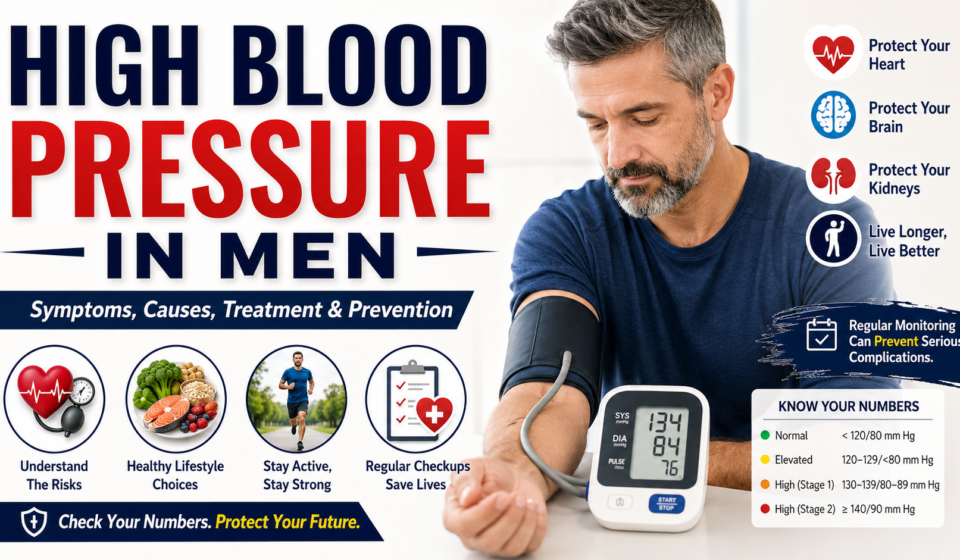

A Simple Guide to Understanding Your Numbers and Protecting Your Health
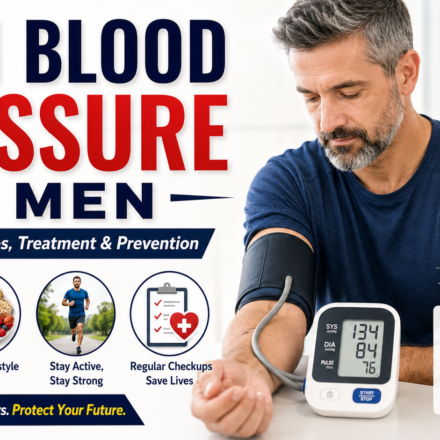
High blood pressure in men is common, but it is easy to miss because it usually causes no obvious symptoms. A man may feel healthy while increased pressure is placing extra strain on his arteries, heart, brain, kidneys, and eyes.
The good news is that hypertension can often be managed with regular monitoring, realistic lifestyle changes, and medication when needed. The first step is knowing your numbers and discussing repeated high readings with a primary care provider.
Quick Summary
High blood pressure, also called hypertension, means blood is pushing against the walls of your arteries with too much force over time. A consistent reading of 130/80 mm Hg or higher is considered high under current U.S. guidance.
Because hypertension usually has no warning symptoms, checking your blood pressure is the only reliable way to detect it.
Table of Contents
- What high blood pressure means
- Understanding blood pressure numbers
- Symptoms in men
- Causes and risk factors
- Why hypertension matters for men
- Diagnosis and home monitoring
- Treatment options
- Practical prevention tips
- When to get medical help
- Frequently asked questions
- Conclusion
What Is High Blood Pressure?
Blood pressure is the force of blood moving against the walls of your arteries. It is recorded using two numbers.
The top number, called systolic pressure, measures the pressure when your heart beats. The bottom number, called diastolic pressure, measures the pressure while your heart rests between beats.
Blood pressure naturally changes during the day. Exercise, stress, caffeine, pain, and nervousness during a medical visit may temporarily raise a reading.
Hypertension is usually confirmed through readings that remain high over time rather than one slightly elevated result. A health professional may use office measurements, home readings, or both when making a diagnosis.
Understanding Your Blood Pressure Numbers
| Category | Systolic: Top Number | Diastolic: Bottom Number |
| Normal | Less than 120 | And less than 80 |
| Elevated | 120–129 | And less than 80 |
| Stage 1 hypertension | 130–139 | Or 80–89 |
| Stage 2 hypertension | 140 or higher | Or 90 or higher |
| Severe hypertension | Higher than 180 | And/or higher than 120 |
For example, a reading of 134/76 mm Hg falls into Stage 1 hypertension because the top number is between 130 and 139.
A reading of 118/92 mm Hg falls into Stage 2 because the bottom number is 90 or higher.
Only a qualified health professional can diagnose hypertension. Current U.S. guidance generally uses a treatment goal below 130/80 mm Hg for adults, although the target may be individualized for certain patients.
Symptoms of High Blood Pressure in Men
dizziness are not reliable ways to determine whether your blood pressure is high.
This means you should not wait until you feel sick before getting your blood pressure checked.
Very high blood pressure can become a medical emergency, especially when it is accompanied by signs of organ damage.
Call 911 if your reading is higher than 180/120 mm Hg and you have symptoms such as:
- Chest pain or difficulty breathing
- Sudden weakness, numbness, or difficulty speaking
- A sudden vision change, severe headache, confusion, or severe back pain
Do not drive yourself to the emergency room when symptoms suggest a heart attack, stroke, or hypertensive emergency.
Causes and Risk Factors
High blood pressure often develops gradually. Age and family history can affect your risk, but daily habits and medical conditions also play an important role.
Common risk factors include:
- Excess body weight
- A diet high in sodium
- Limited physical activity
- Smoking, vaping, or nicotine use
- Drinking too much alcohol
- Diabetes or chronic kidney disease
- Long-term stress and poor-quality sleep
Some prescription medicines, over-the-counter medicines, supplements, and stimulants can also raise blood pressure. Examples may include certain decongestants, nonsteroidal anti-inflammatory drugs, and stimulant products.
Tell your primary care doctor or pharmacist about everything you take, including energy drinks, workout products, herbal supplements, and nonprescription medicines.
Sleep Apnea and High Blood Pressure
Sleep apnea deserves special attention in men because the condition is more common in men than women.
Possible signs include loud snoring, pauses in breathing during sleep, morning headaches, difficulty concentrating, and severe daytime sleepiness.
Sleep apnea may increase the risk of high blood pressure, heart disease, diabetes, and stroke. Talk with your doctor about a sleep evaluation when these symptoms are present.
Why High Blood Pressure Matters for Men?
Uncontrolled hypertension can gradually damage arteries and organs. Over time, it increases the risk of heart attack, stroke, heart failure, chronic kidney disease, vision loss, and vascular dementia.
High blood pressure may also affect sexual health.
Healthy erections depend partly on good blood flow. Damage to blood vessels may reduce blood flow to the penis and contribute to erectile dysfunction.
However, erectile dysfunction has several possible causes, including diabetes, stress, medication side effects, hormone problems, and nerve conditions. Blood pressure should not automatically be assumed to be the only cause.
New or persistent erectile dysfunction is a good reason to schedule a primary care visit and review your blood pressure, blood sugar, cholesterol, medicines, and other cardiovascular risks.
How High Blood Pressure Is Diagnosed?
One high reading does not always mean you have hypertension.
A primary care doctor may repeat the measurement, review readings from different days, or ask you to monitor your blood pressure at home. Blood tests, urine tests, an electrocardiogram, or other examinations may be recommended depending on your medical history.
How to Check Blood Pressure at Home?
Use a validated automatic monitor with an upper-arm cuff that fits correctly.
Avoid caffeine, smoking, alcohol, and exercise for at least 30 minutes before taking a reading. Sit quietly for about five minutes.
Keep your back supported, feet flat on the floor, and legs uncrossed. Place the cuff against bare skin and support your arm at heart level. Do not talk during the measurement.
Take two readings one or two minutes apart and record both. Bring your monitor and blood pressure log to your next medical appointment.
Treatment Options for High Blood Pressure in Men
Treatment depends on your average blood pressure, medical history, and overall risk of heart attack or stroke.
Lifestyle changes are recommended for all blood pressure levels. Medication is generally recommended for adults with an average blood pressure of 140/90 mm Hg or higher.
Medicine may also be recommended at 130/80 mm Hg or higher for people with cardiovascular disease, a previous stroke, diabetes, chronic kidney disease, or increased predicted cardiovascular risk.
Common first-line medicine groups include:
- Thiazide-type diuretics
- ACE inhibitors
- Angiotensin II receptor blockers
- Long-acting calcium channel blockers
Your doctor will consider your kidney function, other medical conditions, possible side effects, and current medicines before selecting treatment.
Many people need more than one medication to control their numbers. Take your medicine exactly as prescribed, even when you feel well.
Never stop, skip, double, or change a dose without speaking with your prescriber or pharmacist.
Practical Ways to Lower or Prevent High Blood Pressure
Follow a Heart-Healthy Eating Pattern
A DASH-style eating pattern emphasizes vegetables, fruit, beans, whole grains, fish, lean poultry, nuts, seeds, and low-fat dairy products.
Reduce packaged meals, deli meats, chips, fast food, canned soups, and salty restaurant sauces. Much of the sodium in the American diet comes from processed and restaurant foods rather than the salt shaker.
Become More Active
Work toward about 150 minutes of moderate physical activity each week, unless your doctor recommends a different level.
Brisk walking is a practical option. A man who is currently inactive might begin with a 10-minute walk after lunch and dinner instead of attempting a difficult workout immediately.
Ask your doctor what level of exercise is safe if you have chest discomfort, severe breathlessness, balance problems, or have not exercised for a long time.
Work toward a Healthy Weight
Losing even a modest amount of weight may help improve blood pressure in people with overweight or obesity.
Avoid crash diets or unregulated weight-loss products. Ask your health care team for a realistic goal based on your current weight, medications, and medical conditions.
Limit Alcohol
Men who drink alcohol should generally have no more than two drinks per day, and less may be better for blood pressure.
One drink usually means 12 ounces of regular beer, 5 ounces of wine, or 1.5 ounces of distilled spirits. If you do not currently drink alcohol, do not start for health reasons.
Avoid Tobacco and Prioritize Sleep
Stop smoking and avoid vaping or other nicotine products. Nicotine can raise blood pressure, while tobacco damages blood vessels and increases cardiovascular risk.
Make consistent, good-quality sleep a priority. Ask about a sleep evaluation if you snore loudly, stop breathing during sleep, or feel unusually sleepy during the day.
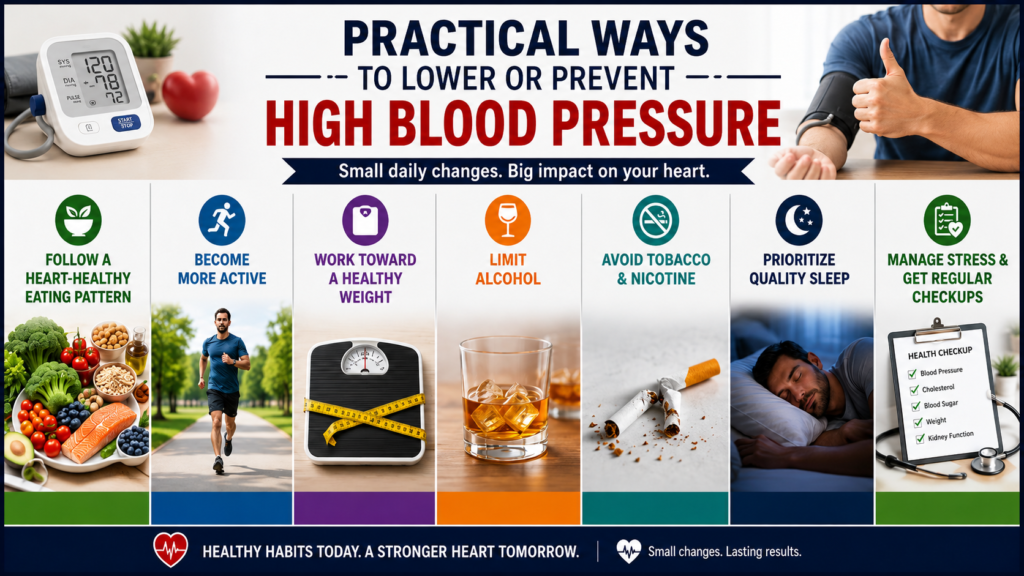
Healthy lifestyle tips to lower high blood pressure, including diet, exercise, weight control, sleep, and regular checkups.
When to get medical help
Schedule a primary care provider appointment if your home readings repeatedly reach 130/80 mm Hg or higher, your numbers are increasing, or your medicine is causing side effects.
For a reading higher than 180/120 mm Hg without concerning symptoms, wait at least one minute and measure again. Contact a health professional promptly if the second reading remains very high.
An urgent care center may provide same-day assessment when your primary care office is unavailable. However, urgent care is not a substitute for emergency services when serious symptoms are present.
Call 911 and go to an emergency room for a reading above 180/120 mm Hg with chest pain, breathing difficulty, weakness, numbness, vision changes, trouble speaking, severe back pain, confusion, fainting, or another new and serious symptom.
Frequently Asked Questions (FAQs)
1. Is 130/80 considered high blood pressure?
Yes. A consistent systolic reading of 130–139 or a diastolic reading of 80–89 falls within Stage 1 hypertension. One reading alone is not normally enough to confirm a diagnosis.
2. Can high blood pressure cause headaches?
Most hypertension causes no symptoms. A sudden, severe headache with a reading above 180/120 mm Hg requires emergency evaluation, especially when accompanied by weakness, confusion, vision changes, or speech difficulty.
3. Can exercise replace blood pressure medication?
Exercise may help lower blood pressure, but it may not replace prescribed treatment. Do not stop medication because your readings improve without first consulting your doctor.
4. Can hypertension cause erectile dysfunction?
It may contribute by damaging blood vessels and reducing blood flow. Because erectile dysfunction has several possible causes, a medical evaluation is appropriate.
5. Will I need blood pressure medicine for life?
Some people need long-term treatment. Others may need less medicine after sustained lifestyle improvements or treatment of an underlying cause. Any medication change should be supervised by a clinician.
Conclusion: Take High Blood Pressure in Men Seriously
High blood pressure in men is often silent, but it is not harmless. Knowing your numbers, measuring them correctly, and acting on repeated high readings can protect your heart, brain, kidneys, eyes, and sexual health.
Reduce high-sodium processed foods, stay physically active, improve sleep, avoid tobacco, and take prescribed medicine consistently.
Most importantly, work with a primary care doctor to confirm the diagnosis and choose a safe treatment plan. Seek emergency care immediately when very high blood pressure occurs with serious symptoms.
Trusted Resources
- American Heart Association
- American Heart Association and American College of Cardiology
- Centers for Disease Control and Prevention
- National Heart, Lung, and Blood Institute
- National Institute of Diabetes and Digestive and Kidney Diseases
Medical Disclaimer
This article is for educational and informational purposes only. It does not provide a diagnosis and is not a substitute for medical advice, examination, or treatment from a qualified health professional.
Contact your primary care doctor about personal symptoms, blood pressure readings, medications, or risk factors. Call 911 for possible heart attack, stroke, or hypertensive emergency symptoms.