
Quick Summary
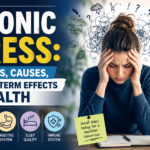
Stress is a normal part of life, but when it becomes constant, it can affect your physical health, emotional well-being, relationships, and daily routine. Fortunately, many stress management techniques that actually work are simple, affordable, and backed by research. This guide explains what stress is, its common symptoms, why managing it matters, and practical strategies you can use every day to feel calmer and healthier. You’ll also learn when it may be time to seek professional support.
Table of Contents
- What Is Stress?
- Common Signs and Symptoms of Stress
- Why Managing Stress Matters
- Stress Management Techniques That Actually Work
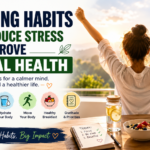
- Healthy Daily Habits That Help Prevent Stress
- When to See a Doctor or Mental Health Professional
- Conclusion
- Frequently Asked Questions
- Trusted Resources
- Medical Disclaimer
What is Stress?
Stress is your body’s natural response to situations that feel challenging, demanding, or uncertain. Whether you’re preparing for an important meeting, managing family responsibilities, paying bills, or dealing with unexpected life changes, your brain and body work together to help you respond. This process is often called the stress response.
Not all stress is harmful. In fact, short-term stress can sometimes be helpful. It may improve focus, increase motivation, and help you react quickly in emergencies. For example, feeling slightly nervous before a job interview or an exam can encourage you to prepare well and stay alert.
The problem begins when stress doesn’t go away. Long-lasting or chronic stress keeps your body in a constant state of alertness. Over time, this can affect your sleep, mood, immune system, digestion, heart health, and overall quality of life.
Many adults in the United States experience stress from everyday responsibilities. Common causes include:
- Work deadlines and job pressure
- Financial concerns
- Family or relationship challenges
- Caring for children or aging parents
- Health problems
- Major life changes such as moving, divorce, or losing a loved one
The good news is that you cannot always control stressful situations, but you can learn healthier ways to respond to them. Developing effective coping skills is one of the best investments you can make for your long-term physical and mental well-being.
Common Signs and Symptoms of Stress
Stress affects people in different ways. Some people notice emotional changes first, while others experience physical symptoms before realizing stress is the cause.
You may be dealing with ongoing stress if you regularly notice:
- Feeling overwhelmed or constantly worried
- Difficulty concentrating or making decisions
- Trouble falling asleep or waking up frequently during the night
- Feeling tired even after sleeping
- Frequent headaches or muscle tension, especially in the neck and shoulders
- Increased irritability or frustration over small problems
- Changes in appetite, either eating more or less than usual
- Digestive discomfort, such as stomach upset or nausea
- Feeling anxious, restless, or emotionally drained
For example, someone under heavy work pressure may begin sleeping poorly, skip meals, become less patient with family members, and struggle to stay focused throughout the day. These symptoms may seem unrelated at first, but they can all be connected to prolonged stress.
Occasional stress is a normal part of life. However, if these symptoms continue for several weeks or begin interfering with your work, relationships, or daily activities, it’s important to take them seriously and consider speaking with a healthcare professional.
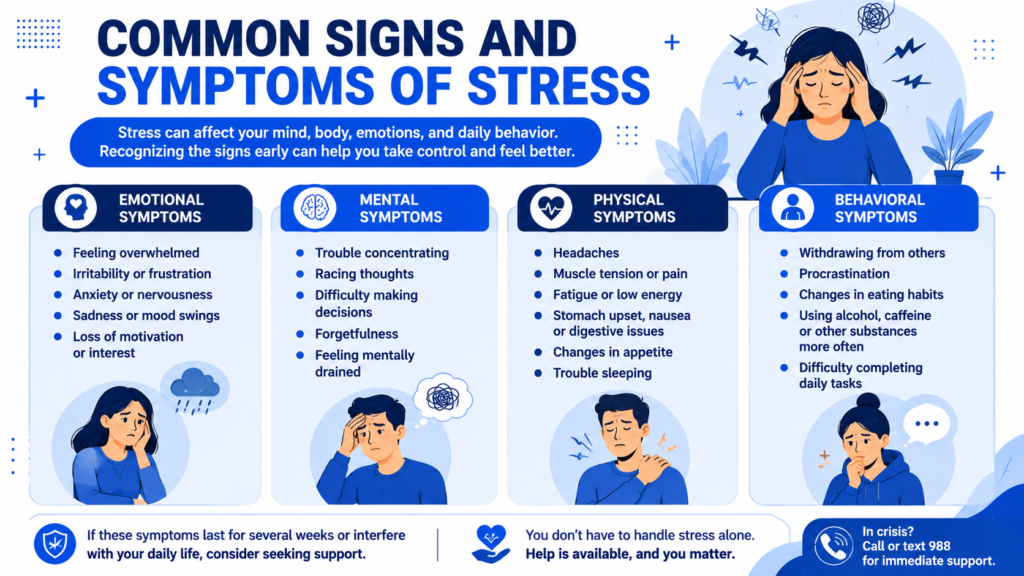
Infographic showing common signs and symptoms of stress, including emotional, mental, physical, and behavioral symptoms with simple illustrations.
Why Managing Stress Matters?
Learning stress management techniques that actually work is about much more than simply feeling relaxed. Managing stress consistently can support both your physical and emotional health while improving your ability to handle life’s everyday challenges.
Healthy stress management may help:
- Improve sleep quality and daytime energy
- Support better concentration and decision-making
- Reduce muscle tension and physical discomfort
- Strengthen healthy relationships through improved communication
- Encourage healthier habits like regular exercise and balanced eating
- Build emotional resilience during difficult situations
- Support long-term heart and overall health
Think of stress management as regular maintenance for your mind and body. Just as eating nutritious foods and staying active help protect your physical health, practicing healthy coping strategies can help you recover from daily pressures before they become overwhelming.
The encouraging news is that effective stress relief doesn’t require expensive equipment or complicated routines. Small, consistent habits practiced every day often provide the greatest long-term benefits. In the next section, we’ll explore practical, evidence-based stress management techniques that actually work and can easily fit into almost any lifestyle.
Stress Management Techniques That Actually Work
There is no single solution that works for everyone because stress affects each person differently. The most effective approach is to build a toolkit of healthy habits that fit your lifestyle and practice them consistently. The following stress management techniques that actually work are supported by health experts and can be adapted to your daily routine.
1. Practice Deep Breathing
When you’re stressed, your breathing often becomes fast and shallow. Slowing your breathing sends a signal to your nervous system that it is safe to relax, helping reduce physical tension and calm your mind.
A simple breathing exercise takes only a few minutes:
- Inhale slowly through your nose for four seconds.
- Hold your breath for four seconds.
- Exhale gently through your mouth for six seconds.
- Repeat this cycle for three to five minutes.
For example, if you’re feeling anxious before a meeting or stuck in heavy traffic, taking a few slow breaths can help you feel more in control before reacting.
2. Stay Physically Active
Regular physical activity is one of the most effective stress management techniques that actually work because it benefits both your body and your mind. Exercise encourages the release of endorphins, often called the body’s natural “feel-good” chemicals, while also helping reduce muscle tension.
The good news is that you don’t have to spend hours at the gym. Activities such as:
- Brisk walking
- Cycling
- Swimming
- Dancing
- Stretching
- Yoga
Can all help lower stress levels?
Aim for about 150 minutes of moderate physical activity each week. Even a 20-minute walk during your lunch break can improve your mood and clear your mind.
3. Improve Your Sleep Routine
Stress and poor sleep often create a frustrating cycle. Stress makes it harder to sleep, and lack of sleep makes stressful situations feel even more difficult. Improving your sleep habits can make a noticeable difference.
Try to:
- Go to bed and wake up at the same time every day.
- Keep your bedroom cool, dark, and quiet.
- Limit screen time for at least one hour before bed.
- Avoid caffeine late in the afternoon or evening.
- Develop a relaxing bedtime routine, such as reading or taking a warm shower.
Better sleep helps your brain recover, improves concentration, and supports emotional balance throughout the day.
4. Practice Mindfulness
Mindfulness means paying attention to the present moment instead of worrying about the past or future. It doesn’t require special equipment or hours of meditation.
You can practice mindfulness by:
- Taking a slow walk and noticing your surroundings.
- Eating your meals without distractions.
- Spending five minutes focusing on your breathing.
- Paying attention to the sounds, sights, and sensations around you.
Imagine drinking your morning coffee without checking emails or scrolling through social media. Simply focusing on the taste, aroma, and warmth of your drink is a small mindfulness exercise that can help your mind slow down.
With regular practice, mindfulness may help reduce emotional reactivity and improve your ability to manage daily stress.
5. Stay Connected With Supportive People
Stress often feels heavier when you carry it alone. Talking with trusted friends, family members, or coworkers can provide emotional support and help you see challenges from a different perspective.
You don’t always need advice. Sometimes having someone who listens without judgment is enough to help you feel better.
If you don’t have a strong support system, consider joining a community group, attending local activities, or speaking with a licensed counselor. Building healthy relationships is an important part of long-term stress management.
6. Set Healthy Boundaries with Technology
Many people spend hours each day checking emails, reading news updates, or scrolling through social media. While technology has many benefits, constant exposure to information can increase feelings of stress and mental fatigue.
Healthy digital habits include:
- Turning off unnecessary notifications.
- Taking regular breaks from social media.
- Avoiding work emails during personal time whenever possible.
- Limiting exposure to negative news before bedtime.
Creating small boundaries allows your mind to rest and recharge instead of staying constantly engaged.
7. Organize Your Day and Prioritize Tasks
Feeling overwhelmed often comes from trying to manage too many responsibilities at once.
Instead of focusing on everything, write down your tasks and decide which ones are most important. Break larger projects into smaller, manageable steps.
For example, rather than thinking, “I need to finish this entire project today,” focus on completing just the first section. Small accomplishments build momentum and reduce feelings of being overwhelmed.
Remember that it’s okay to say no to commitments that exceed your available time and energy.
8. Eat a Balanced, Nourishing Diet
Nutrition plays an important role in supporting both physical and mental health. While no single food can eliminate stress, a balanced eating pattern helps your body function at its best.
Try to include:
- Colorful fruits and vegetables
- Whole grains
- Lean proteins such as fish, beans, or poultry
- Healthy fats from foods like nuts, seeds, and avocados
It’s also important to stay hydrated throughout the day.
During stressful periods, many people rely on sugary snacks or highly processed convenience foods. Although these foods may provide temporary comfort, they often don’t provide the steady energy your body needs.
9. Make Time for Activities You Enjoy
When life becomes busy, hobbies are often the first thing people stop doing. Ironically, enjoyable activities are exactly what many people need during stressful times.
Reading a book, gardening, painting, listening to music, cooking, or spending time outdoors can help your mind recover from daily pressures.
You don’t need hours of free time. Even 20 to 30 minutes spent doing something you genuinely enjoy can improve your mood and create a healthier balance between work and personal life.
10. Know When to Seek Professional Support
Sometimes stress becomes too difficult to manage with lifestyle changes alone. If stress continues for weeks, interferes with your daily responsibilities, or begins affecting your relationships or physical health, professional support can make a significant difference.
A licensed mental health professional can help you:
- Identify personal stress triggers.
- Develop healthier coping strategies.
- Learn evidence-based stress management skills.
- Address anxiety, depression, or other related concerns if needed.
Seeking help is not a sign of failure. It’s a proactive step toward protecting your overall health and improving your quality of life.
The most effective stress management techniques that actually work are the ones you can practice consistently. Start with one or two strategies that fit naturally into your routine, and gradually build healthy habits over time. Small, steady changes often lead to meaningful improvements in how you handle stress and enjoy everyday life.
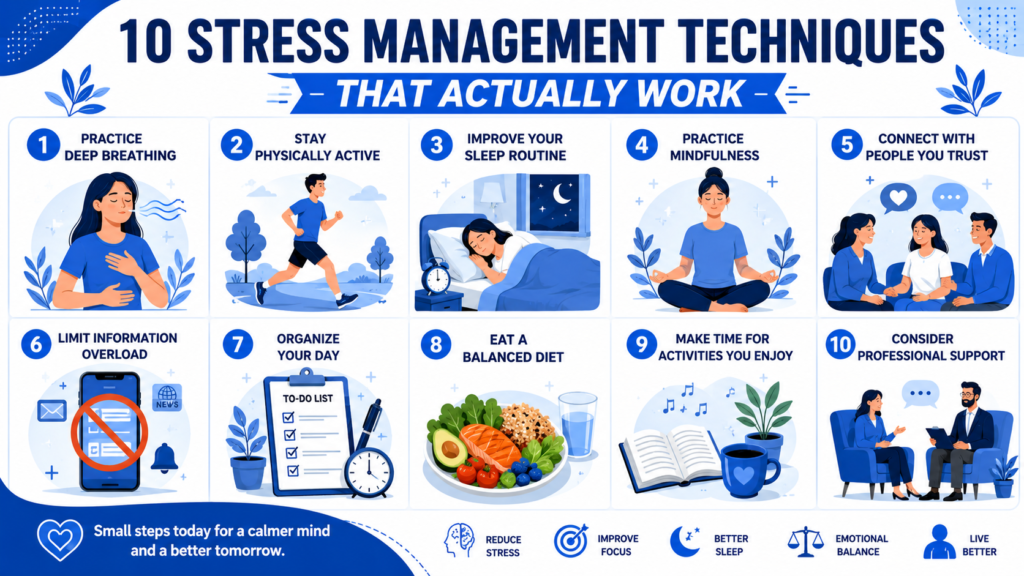
Illustrated infographic showing 10 stress management techniques with icons for deep breathing, exercise, sleep, mindfulness, healthy eating, time management, and professional support.
Healthy Daily Habits That Help Prevent Stress
Managing stress isn’t just about responding when life feels overwhelming. Healthy daily habits can help reduce stress before it builds up and make it easier to handle challenges when they arise.
Start by focusing on small, consistent changes rather than trying to transform your lifestyle overnight. Even simple routines can have a positive impact over time.
Some healthy habits that support long-term stress management include:
- Stay hydrated by drinking enough water throughout the day.
- Make regular physical activity part of your weekly routine.
- Eat balanced meals instead of skipping meals during busy days.
- Spend time outdoors whenever possible, even if it’s just a short walk.
- Take brief breaks during work or study sessions to avoid mental fatigue.
- Maintain supportive relationships with family and friends.
- Set realistic goals and avoid expecting perfection from yourself.
- Practice gratitude by reflecting on a few positive moments each day.
For example, taking a 10-minute walk after lunch, turning off work notifications in the evening, or writing down three things you’re grateful for before bed are small habits that can make stressful days feel more manageable.
Remember, stress management is a lifelong practice. Consistency is often more effective than making major changes that are difficult to maintain.
When to See a Doctor or Mental Health Professional
Occasional stress is a normal part of life, but persistent or overwhelming stress should not be ignored. If stress begins affecting your health or daily functioning, it’s important to seek professional guidance.
Consider speaking with a healthcare provider or licensed mental health professional if:
- Your stress continues for several weeks or months without improving.
- You have ongoing trouble sleeping or feel exhausted most days.
- Stress is affecting your work, school, or personal relationships.
- You experience frequent anxiety, panic attacks, or overwhelming worry.
- You no longer enjoy activities you once loved.
- You find yourself relying on alcohol, drugs, or other unhealthy coping behaviors.
- You feel hopeless, emotionally numb, or unable to manage everyday responsibilities.
If you ever have thoughts of harming yourself or believe you’re in immediate danger, seek emergency medical care or contact your local emergency services immediately.
Early support can help prevent stress from becoming more serious and improve your overall quality of life.
Conclusion
Learning and practicing stress management techniques that actually work is one of the best ways to protect both your physical and mental health. While stress cannot always be avoided, your response to it can make a significant difference.
Simple habits such as deep breathing, regular exercise, quality sleep, mindfulness, balanced nutrition, healthy relationships, and better time management can help you feel calmer and more resilient. You don’t need to master every technique at once. Start with one or two strategies that fit your lifestyle and build from there.
Most importantly, be patient with yourself. Managing stress is an ongoing process, not a one-time achievement. If stress becomes persistent or begins interfering with your daily life, don’t hesitate to talk with your doctor or a licensed mental health professional. Getting support early can help you regain balance and improve your overall well-being.
Frequently Asked Questions (FAQs)
1. What are the best stress management techniques that actually work?
Some of the most effective techniques include deep breathing, regular physical activity, mindfulness, quality sleep, healthy eating, staying connected with supportive people, and improving time management. The best approach is the one you can practice consistently.
2. How long does it take for stress management techniques to work?
Some strategies, such as deep breathing or taking a short walk, may help you feel calmer within minutes. Long-term habits like exercise, better sleep, and mindfulness often provide greater benefits when practiced consistently over several weeks.
3. Can stress cause physical symptoms?
Yes. Chronic stress may contribute to headaches, muscle tension, digestive discomfort, sleep problems, fatigue, increased heart rate, and difficulty concentrating. If symptoms are severe or persistent, consult your healthcare provider.
4. Is it normal to feel stressed every day?
Everyone experiences occasional stress, but feeling stressed every day for an extended period may indicate that your coping strategies need adjustment or that professional support could be helpful.
5. When should I seek professional help for stress?
You should consider professional support if stress lasts for several weeks, interferes with work or relationships, causes ongoing sleep problems, leads to anxiety or depression, or affects your ability to manage daily responsibilities.
Trusted Resources
- Centers for Disease Control and Prevention (CDC)
- National Institute of Mental Health (NIMH)
- American Psychological Association (APA)
- National Center for Complementary and Integrative Health (NCCIH)
- Mayo Clinic
Medical Disclaimer
This article is intended for educational purposes only and should not be considered medical advice. It is not a substitute for professional medical diagnosis, treatment, or personalized healthcare guidance. If you have persistent stress, anxiety, depression, or other mental health concerns, consult your physician or a licensed mental health professional for appropriate evaluation and care.