
Quick Summary
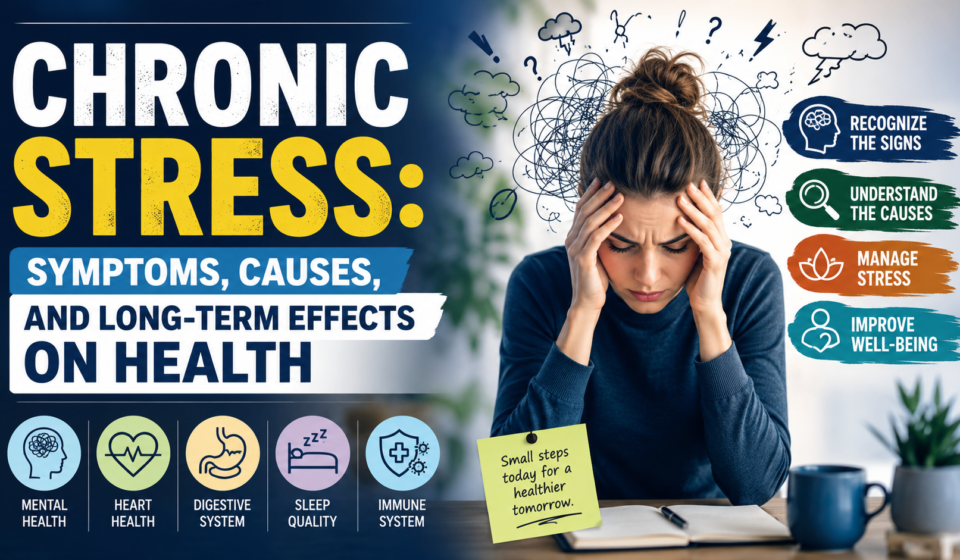
Stress is a normal part of life, but when it continues for weeks or months without enough recovery, it can begin to affect both physical and mental health. Long-term stress has been linked to problems such as poor sleep, anxiety, digestive issues, high blood pressure, and difficulty concentrating. The good news is that recognizing the signs early and developing healthy coping strategies can reduce its impact and improve overall well-being.
Table of Contents
- Understanding Chronic Stress
- Signs and Symptoms
- What Causes Ongoing Stress?
- How Long-Term Stress Affects Your Body
- Who Is More Likely to Experience It?
- How Healthcare Providers Evaluate Stress
- Treatment and Stress Management
- Daily Habits That Can Help
- When to Seek Medical Care
- Conclusion
- Frequently Asked Questions
- Trusted Resources
- Medical Disclaimer
Understanding Chronic Stress
Everyone experiences stress. Preparing for an important presentation, caring for a child, or dealing with unexpected expenses can all trigger the body’s natural stress response.
Normally, that response settles down once the challenge has passed.
Problems can develop when stress becomes a constant part of everyday life. Ongoing work pressure, financial concerns, relationship difficulties, caregiving responsibilities, or living with a chronic illness can keep the body’s stress response activated for much longer than it was designed to be.
This prolonged state is commonly referred to as chronic stress.
Although stress itself is not considered a disease, persistent activation of the body’s stress response may contribute to health problems over time if it is not addressed.
How The Body Responds to Stress
When your brain detects a challenge or perceived threat, it signals the release of stress hormones, including cortisol and adrenaline.
These hormones prepare the body to respond by increasing heart rate, raising blood pressure temporarily, and directing more energy toward muscles and the brain. This process is often called the “fight-or-flight” response.
In short bursts, this response is helpful.
However, if it remains active for weeks or months, it can place extra strain on multiple body systems. Researchers believe this prolonged stress response is one reason ongoing stress is associated with a variety of health concerns.
Signs and Symptoms
Stress affects people differently. Some notice emotional changes first, while others experience physical symptoms.
Emotional Symptoms
- Feeling overwhelmed most days
- Persistent worry
- Irritability or impatience
- Feeling emotionally exhausted
- Loss of motivation
- Increased anxiety
Physical Symptoms
- Frequent headaches
- Muscle tightness, especially in the neck or shoulders
- Fatigue despite getting enough sleep
- Difficulty falling asleep or staying asleep
- Digestive discomfort
- Changes in appetite
- Faster heartbeat during stressful situations
Changes in behavior
You might also notice changes in your daily habits, such as putting off responsibilities, withdrawing from friends or family, relying more on caffeine or alcohol, or finding it harder to focus at work.
These symptoms can have many possible causes. If they continue or begin interfering with daily life, it’s important to speak with a healthcare professional for a proper evaluation.
What Causes Ongoing Stress
Persistent stress often develops from a combination of life circumstances rather than a single event.
Some of the most common contributors include:
- High workloads or job insecurity
- Financial pressure
- Family or relationship conflict
- Caring for a loved one with a serious illness
- Living with chronic pain or another long-term medical condition
- Major life transitions, such as divorce, moving, or retirement
- Exposure to traumatic experiences
Sometimes, stress can build gradually. People may not realize how much it is affecting them until physical or emotional symptoms begin to appear.
How Long-Term Stress Affects Your Health
Researchers continue to study the relationship between prolonged stress and chronic disease. While stress alone does not directly cause every medical condition, evidence suggests it can influence overall health in several important ways.
1. Mental Health
Mental well-being is often one of the first areas affected.
Long-lasting stress may increase the likelihood of developing anxiety or depression, particularly in people who already have other risk factors. It can also make existing mental health conditions more difficult to manage.
Many people describe feeling mentally “drained” or finding it harder to make decisions after months of ongoing stress.
2. Heart and Blood Vessels
Periods of stress naturally raise heart rate and blood pressure for a short time.
When stress continues over months or years, healthcare experts believe it may contribute to cardiovascular risk by affecting blood pressure, sleep quality, inflammation, and health behaviors such as physical activity, smoking, and diet.
Because heart disease develops from many factors—including age, genetics, cholesterol levels, diabetes, and lifestyle—stress should be viewed as one piece of a much larger picture.
3. Immune Function
The immune system and the stress response are closely connected.
Studies suggest that prolonged exposure to stress hormones may reduce the body’s ability to respond efficiently to infections in some individuals. Some people notice they seem to catch colds more often during particularly stressful periods, although many other factors also influence immune health.
4. Digestive Health
The brain and digestive system communicate continuously through what researchers call the gut-brain axis.
This helps explain why emotional stress can sometimes contribute to stomach discomfort, changes in bowel habits, indigestion, or worsening symptoms in people who already have conditions such as irritable bowel syndrome (IBS).
5. Sleep
Sleep and stress often create a cycle.
Stress makes it harder to sleep well, while poor sleep can increase the body’s stress response the following day. Breaking this cycle is often an important part of recovery.
6. Memory and Concentration
Many people experiencing prolonged stress notice they become forgetful or have trouble concentrating.
Researchers believe elevated stress hormones may temporarily affect areas of the brain involved in attention, learning, and memory. These changes often improve as stress becomes better managed.
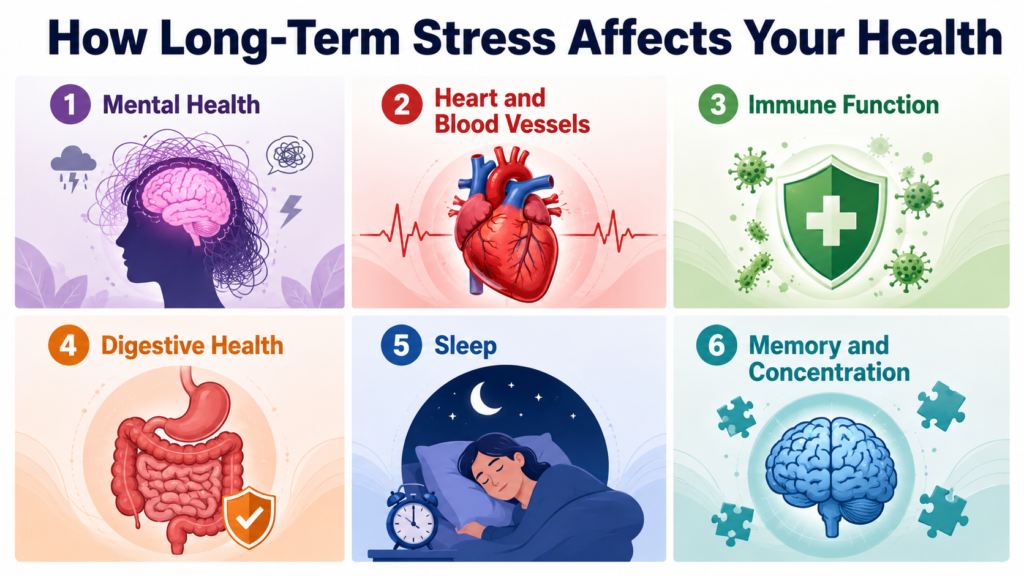
Infographic showing how long-term stress affects mental health, heart health, immunity, digestion, sleep, and memory.
Who Is More Likely to Experience It?
Anyone can experience ongoing stress, but some situations increase the likelihood.
Examples include:
- Healthcare workers
- First responders
- Teachers
- Parents of young children
- Family caregivers
- College students
- Military personnel
- People facing financial hardship
- Individuals living with chronic medical conditions
Experiencing these circumstances does not mean someone will develop chronic stress, but it may increase vulnerability.
How Healthcare Providers Evaluate Stress
There is no laboratory test that confirms chronic stress.
Instead, healthcare providers consider the whole picture.
Your clinician may ask about:
- Your symptoms
- Sleep quality
- Work and family life
- Medical history
- Current medications
- Emotional well-being
Depending on your symptoms, blood tests or other investigations may be recommended to rule out medical conditions such as thyroid disorders, anemia, vitamin deficiencies, or sleep disorders that can produce similar symptoms.
Treatment and Stress Management
Managing persistent stress usually involves improving daily habits while addressing the underlying sources of stress whenever possible.
1. Stay physically active
Regular movement is one of the most consistently recommended strategies for reducing stress.
Walking, cycling, swimming, strength training, or other enjoyable activities can improve mood, support better sleep, and reduce tension.
The goal is consistency rather than intensity.
2. Prioritize quality sleep
Adults generally need seven to nine hours of sleep each night.
Going to bed at a consistent time, limiting screen use before bedtime, and creating a quiet sleeping environment can help improve sleep quality.
3. Eat a balanced diet
No single food eliminates stress.
However, eating regular meals that include vegetables, fruits, whole grains, lean proteins, and healthy fats helps support overall health and stable energy levels.
Limiting excessive alcohol and caffeine may also be helpful for some people.
4. Practice relaxation techniques
Simple relaxation practices may help reduce the body’s stress response.
Examples include mindful breathing, meditation, gentle stretching, yoga, journaling, or spending time in nature.
Even five to ten minutes each day can become a healthy routine.
5. Build social support
Talking with trusted friends, family members, or support groups can reduce feelings of isolation.
Social connection plays an important role in emotional resilience.
6. Consider professional support
If stress is affecting work, relationships, or daily functioning, counseling may help.
Cognitive Behavioral Therapy (CBT) is one of the most widely studied psychological treatments for managing stress, anxiety, and related concerns.
Medication may be appropriate in certain situations, but treatment decisions should always be made with a qualified healthcare professional.
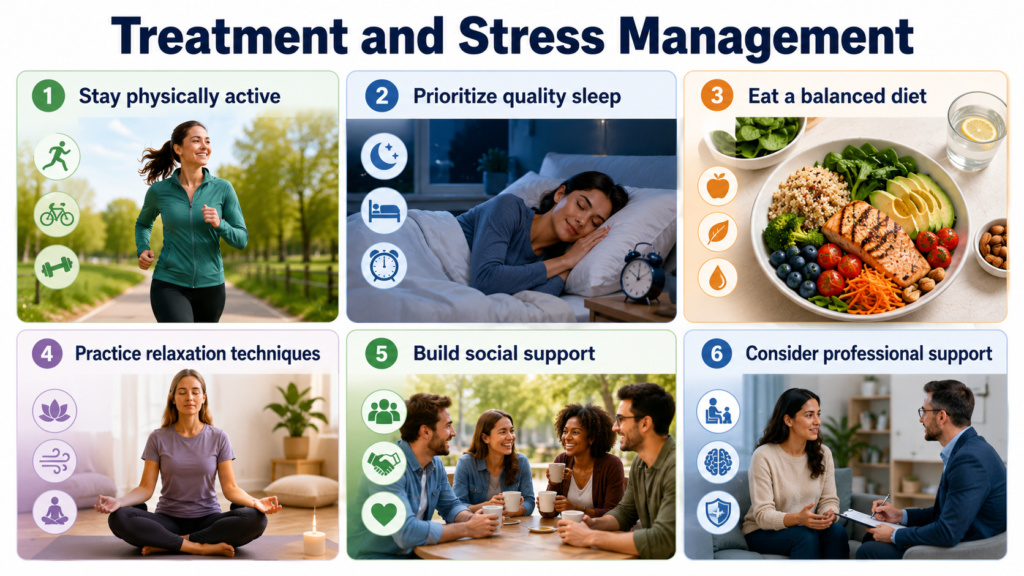
Infographic showing healthy ways to manage stress through exercise, sleep, nutrition, social support, and professional care.
Daily Habits That Can Help Prevent Stress from Becoming Overwhelming
You cannot eliminate every source of stress, but small habits practiced consistently can improve resilience over time.
Consider:
- Taking short breaks during busy workdays.
- Setting realistic expectations instead of trying to do everything perfectly.
- Making time for regular physical activity.
- Protecting your sleep schedule.
- Staying connected with supportive people.
- Limiting constant exposure to stressful news or social media.
- Asking for help before responsibilities become unmanageable.
Small improvements repeated over time often have a greater impact than dramatic changes that are difficult to maintain.
When to Seek Medical Care
Occasional stress is a normal part of life.
However, you should schedule an appointment with a healthcare provider if:
- Symptoms continue for several weeks.
- Stress interferes with work, school, or relationships.
- You experience ongoing anxiety or persistent sadness.
- Sleep problems continue despite healthy sleep habits.
- Physical symptoms become frequent or severe.
- You begin using alcohol or drugs to cope.
Seek immediate medical care if you experience chest pain, difficulty breathing, thoughts of self-harm, or believe you may be having a medical emergency.
Conclusion
Living with ongoing stress can feel exhausting, but it does not have to become your normal.
Recognizing the early warning signs, understanding how prolonged stress affects the body, and adopting healthy coping strategies can make a meaningful difference over time. While no one can avoid stress completely, building supportive daily habits, maintaining healthy relationships, staying physically active, and seeking professional help when needed can improve both mental and physical well-being.
If your symptoms persist or begin interfering with your daily life, don’t ignore them. A conversation with your primary care provider or a licensed mental health professional can help identify the underlying causes and create a treatment plan that fits your individual needs.
Frequently Asked Questions (FAQs)
1. Can ongoing stress make you physically sick?
Persistent stress may influence several body systems and has been associated with headaches, digestive problems, sleep disturbances, muscle tension, and higher cardiovascular risk. Because many illnesses have multiple causes, stress is generally considered one contributing factor rather than the sole cause.
2. How long does it take to recover?
Recovery varies depending on the source of stress, overall health, and the support a person receives. Some people notice improvement within a few weeks after making lifestyle changes, while others benefit from longer-term counseling or medical care.
3. Is stress the same as anxiety?
No. Stress is usually a response to external challenges, while anxiety can persist even when there is no immediate stressor. The two often occur together, but they are not the same condition.
4. Can exercise really help?
Yes. Regular physical activity is supported by a large body of research as one of the most effective lifestyle strategies for improving mood, supporting better sleep, and reducing the effects of ongoing stress.
5. When should I consider therapy?
If stress is affecting your work, relationships, sleep, or quality of life—or if you feel overwhelmed despite trying self-care strategies—speaking with a licensed mental health professional is a good next step.
Trusted Resources
- National Institute of Mental Health (NIMH)
- American Psychological Association (APA)
- Centers for Disease Control and Prevention (CDC)
- National Institutes of Health (NIH)
- Mayo Clinic
Medical Disclaimer
This article is intended for educational purposes only and should not be used as a substitute for professional medical advice, diagnosis, or treatment. If you have persistent stress, concerning symptoms, or questions about your health, consult a qualified healthcare provider.